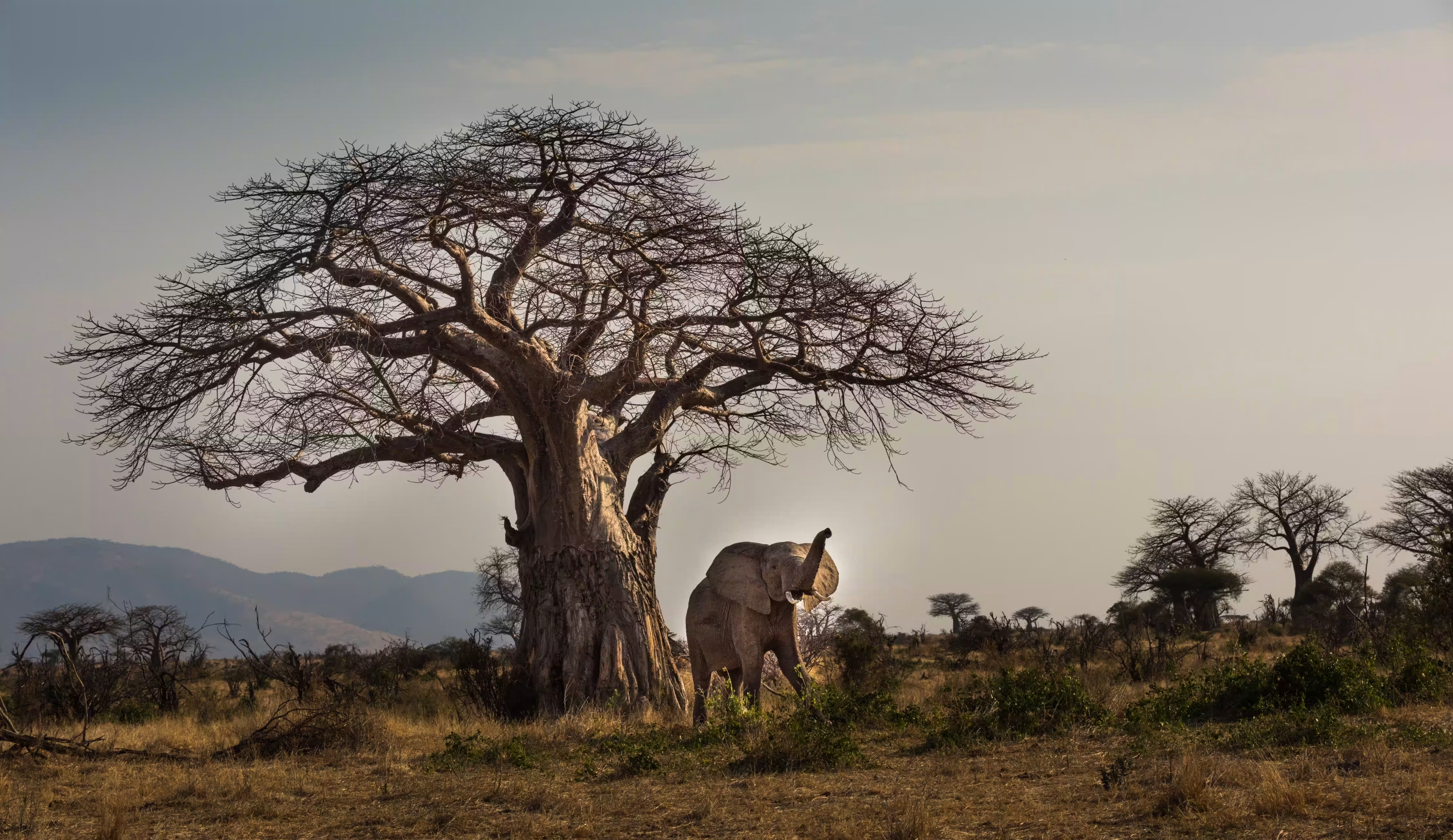

Different cats, different habitats, different tracking strategies. How our senior guides find each — and what makes one harder than the other.
Different cats, different habitats, different tracking strategies. How our senior guides find them.
Leopard · the patient game
Leopards are solitary, nocturnal, and territorial. Key signs: recent drag-marks on tree trunks, impala carcasses high in branches, fresh claw-scratches on bark. Our best leopard sightings come from knowing specific favourite trees of specific cats.
"Leopard is patience. Cheetah is geography. Both reward guides who pay attention."
— EmanuelCheetah · read the grass
Cheetahs hunt in open grassland at dawn and dusk. Look for termite mounds (favourite observation perches) and short-grass plains with gazelle herds. The Namiri Plains in eastern Serengeti are cheetah specialist territory.
Why leopard is harder
Serengeti leopard density is lower than lion or cheetah, plus leopards hide. First-time safari travellers often miss leopard; returning visitors routinely see them because they know what to ask for.
The one-guide advantage
A senior guide knows which specific leopard is feeding in which specific tree this week. That knowledge isn't transferable — it's local. It's why we don't use external driver-guides.