


Tanzania's Wild Places
Seventeen destinations across the northern circuit, southern wilderness, western chimpanzee forests, and Indian Ocean coast.
Explore by Region
Tanzania's five safari regions, each with a distinct character.

The classic. Serengeti, Ngorongoro, Tarangire, Lake Manyara, Arusha NP. Highest wildlife density, best infrastructure, where 80% of Tanzania's safari visitors go.
5 parks
Kilimanjaro (5,895m, Africa's highest) and Mount Meru (4,566m). Not safari — trekking. 4–9 days on the mountain per climb.
2 peaks
Ruaha, Nyerere, Mikumi, Katavi. More remote, wilder feel, fewer vehicles. Walking safaris and boat safaris are the specialties.
4 parks
Mahale and Gombe. Chimpanzee tracking only. Both on Lake Tanganyika, accessed by boat. Remote, specialised, unforgettable.
2 parksZanzibar, Stone Town, Pemba, Mafia. The Indian Ocean extension. Beach, diving, whale sharks (Oct–Mar), Swahili heritage.
4 islandsEvery Destination
All seventeen, grouped by region. Tap a tab to browse.
The Serengeti
Two million wildebeest. 14,750 square kilometres of endless plain. The stage for Earth's greatest wildlife spectacle, year-round.
Ngorongoro Crater
A collapsed caldera holding 25,000 large mammals in a 260 km² bowl. A living archive of East African wildlife.

Tarangire
Elephants, baobabs, and the Silale Swamps. Tanzania's great under-visited park.

Lake Manyara
Tree-climbing lions, flamingos by the thousand, and a groundwater forest at the foot of the rift escarpment.

Arusha National Park
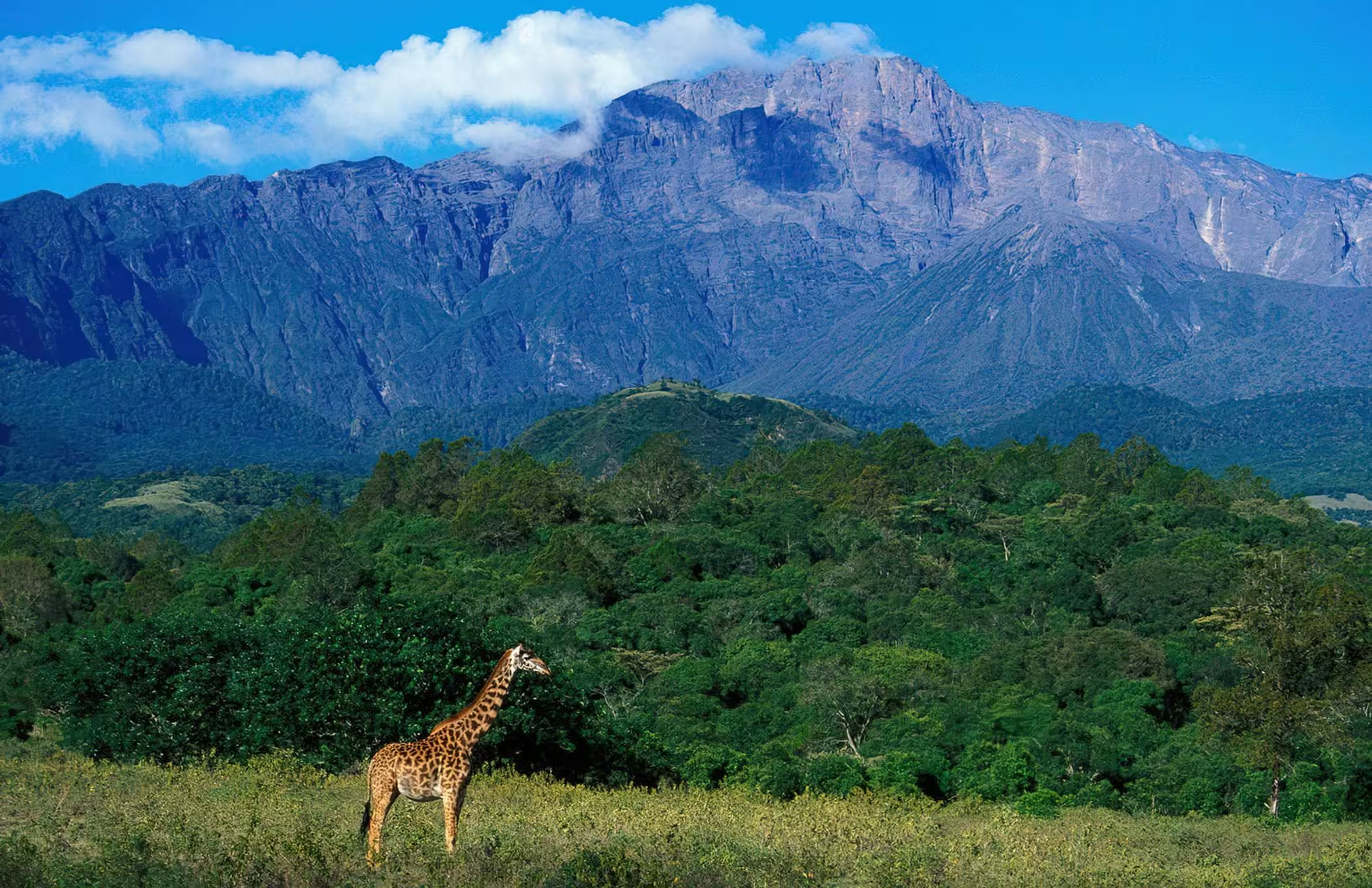
Mount Meru's foothills, the Momela Lakes, and the giraffe-dense slopes of Ngurdoto Crater — all within an hour of town.


Ruaha
Tanzania's largest national park. Remote, wild, and home to 10% of Africa's lions.
Nyerere National Park
Formerly the Selous Game Reserve. Africa's largest protected area. Boat safaris on the Rufiji River.

Mikumi
The accessible southern park. Driveable from Dar es Salaam in five hours. Mkata Floodplain game.

Katavi
Tanzania's most remote national park. Buffalo herds in the thousands, hippo pods so dense they stack on top of each other.
Mahale
Chimpanzee tracking on the Lake Tanganyika shore. No roads, no vehicles, just the forest and 60 chimpanzees.
Gombe Stream
Jane Goodall's research site. Tanzania's smallest national park and its most famous chimpanzee community.
Zanzibar
The Spice Island. Turquoise water, Stone Town's labyrinth, and the archetypal African beach.

Stone Town
A UNESCO World Heritage labyrinth of Arab, Persian, Indian, and European architectural layers.

Pemba Island
Zanzibar's wilder northern sister. World-class diving, no crowds, and the highest clove production on Earth.

Mafia Island
The whale shark island. Tanzania's southernmost archipelago and its most protected marine park.
Match by Travel Style
A different way to think about it: what kind of trip are you looking for?
Serengeti + Ngorongoro + Tarangire. The classic 7-day northern circuit. Reliable wildlife, mid-range budget option, best infrastructure.
RecommendedRuaha + Selous, or Mahale + Katavi. Less-trafficked parks with deeper wilderness feel. You've done the classics — go further.
Second tripAny safari + Zanzibar, Pemba, or Mafia. The classic bush-and-beach combo. 4–5 beach nights after safari.
Bush + beachKilimanjaro + Meru, or walking safaris in Ruaha + Selous. Physical, demanding, unforgettable. Not for the fair-weather traveller.
Active