
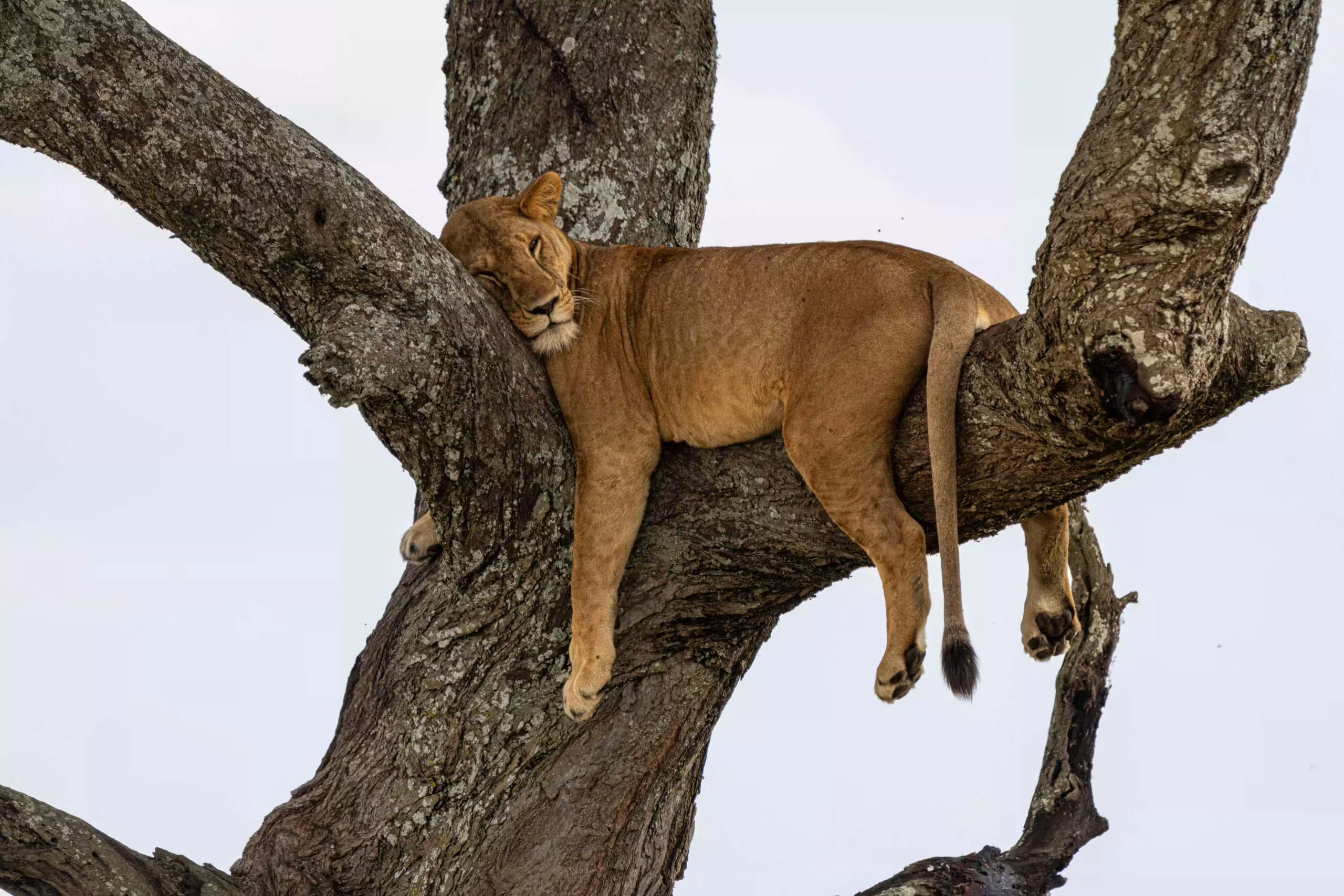


Two million wildebeest. 14,750 square kilometres of endless plain. The stage for Earth's greatest wildlife spectacle, year-round.
The largest, richest, and most iconic wildlife landscape on Earth.
Serengeti means 'endless plain' in Maa — and the land is true to its name.
From the short-grass plains in the south to the acacia woodlands of the west, this is the archetypal African landscape — and the reason Tanzania is the world's premier safari destination. Six hundred and forty thousand hectares of national park, inside a thirty-thousand-square-kilometre ecosystem supporting three million large animals.
What most travellers come for, though, is the Great Migration. Two million wildebeest on a constant counter-clockwise circuit, shadowed by 400,000 Thomson's gazelle, 250,000 zebra, and every major predator on the continent. It's been moving for over a million years. You see it for a week.
The species you can realistically expect — with honest context on season and where to look.
Four seasonal positions, four different experiences. The migration never stops — it just wheels around, and around, and around.
The Great Migration loops year-round. The best time depends on what you want to see.
Half a million wildebeest calves drop in a three-week window on Ndutu's short-grass plains. For photographers, this is the season — predator activity is intense (lion, cheetah, hyena all feasting), the light is softer than dry-season glare, and the herds are dense.
Best camps: mobile migration camps (Asilia Kimondo, Nomad Serengeti Safari Camp). Ndutu Safari Lodge if you want a permanent property.
The long rains end and the herds start moving north through the Grumeti ecosystem. The first serious river crossings happen here — smaller, more intimate than the Mara. The Moru Kopjes fill with lion prides shadowing the exodus.
Lower visitor numbers because crossings aren't as dramatic as the Mara — but value is excellent and wildlife exceptional. Singita Sabora and the Grumeti Tented Camp dominate this region.
This is what most travellers come for. Thousands of wildebeest stack up on the Mara River banks, hesitate for hours, then plunge into crocodile-thick water. We position you on the best crossing bends, 6am departures, patience over rushing.
Best camps: Sayari Camp, Lamai Serengeti, Kichakani Migration Camp. Book 9–12 months ahead — these all sell out.
Short rains start, fresh grass pushes up on the southern plains, and the whole cycle begins to reverse. Quieter parks, softer light, elephants and giraffe rich. Calving is about to start again.
A sleeper season — half the price of peak-crossing season, with arguably equal wildlife. Most camps are open; availability is good even in November.
The rhythm of safari matters as much as the wildlife. Here's exactly what a typical day looks like.
Your camp team brings coffee or tea to your tent with a gentle knock. The plains are already waking up — hyenas calling, doves, the first light just breaking.
Out as the sun rises. The first two hours are the best wildlife viewing of the day — cats finishing a night hunt, elephants at the waterhole, birds lit golden.

Your guide sets up under an acacia. Hot coffee from a flask, fresh fruit, pancakes cooked at camp. If you're lucky, a giraffe walks past mid-bite.

Midday is hot and the animals rest. So do you. Lunch in the mess tent, then a proper siesta — a book, a hammock, a plunge pool at better camps.

Out again as the heat fades. Late-afternoon light is magic for photography. The cats are beginning to hunt, the herds are on the move.

Your guide picks a kopje or ridge with an unobstructed view. Gin and tonic, snacks, and the sun dropping. This is the photo you'll send your parents first.

Back to camp for a three-course dinner, often in the boma (enclosed firepit area). Camp staff sing after dessert. The Milky Way is brutally bright.

Back to your tent. You'll hear lions calling, hyenas laughing, maybe an elephant wandering past. Sleep comes fast — tomorrow starts at 5:30 again.

"We've now done eight safaris across Africa. The Serengeti week with Emanuel was the best wildlife experience of our lives. Six days felt short — we should have done ten."
— David R. · Canada · January 2026From classic mid-range lodges to fly-in ultra-luxury. Swipe to compare.
Traditional rondavel-style lodge perched on a hill with sweeping plains views. Pool, restaurant, family suites. Perfect first-safari choice.
Elegant tented camp in acacia woodland, steps from the Seronera River lion territory. Only 10 tents — quiet, intimate, excellent cuisine.
In the heart of cheetah country — the Namiri Plains. Only camp in the area. Ten minimalist tents with handsome mid-century styling.
Mobile Premium
$760 / night
A seasonal mobile camp that relocates to stay with the Great Migration — Ndutu in Jan–Mar, Western Corridor Apr–Jun, Kogatende Jul–Oct.
Ultra-luxury
$2,400 / night
Edwardian-style tented camp on a private concession bordering the Serengeti. Michelin-trained chef, private airstrip, butler per tent.
Asilia's flagship northern camp, positioned for the Mara River crossings Jul–Oct. Fifteen tents, excellent guiding, plunge pools.
The eight experiences we build into every Serengeti itinerary. Pick and mix.

Two drives a day, private 4×4, senior guide. The morning drive is the wildlife peak — four hours of active tracking across grassland and kopjes.
Included · DailyDawn liftoff from a Seronera strip. Sixty minutes drifting silently over lion prides and wildebeest herds. Champagne bush breakfast on landing.
Add-on · $650pp
A candlelit table set up under an acacia while you're out on a sundowner drive. You return to a three-course dinner, just for your party.
On requestIn the Seronera walking-permit area or on private concessions bordering the park — armed ranger, senior guide, 3-hour dawn walks.
Select camps only
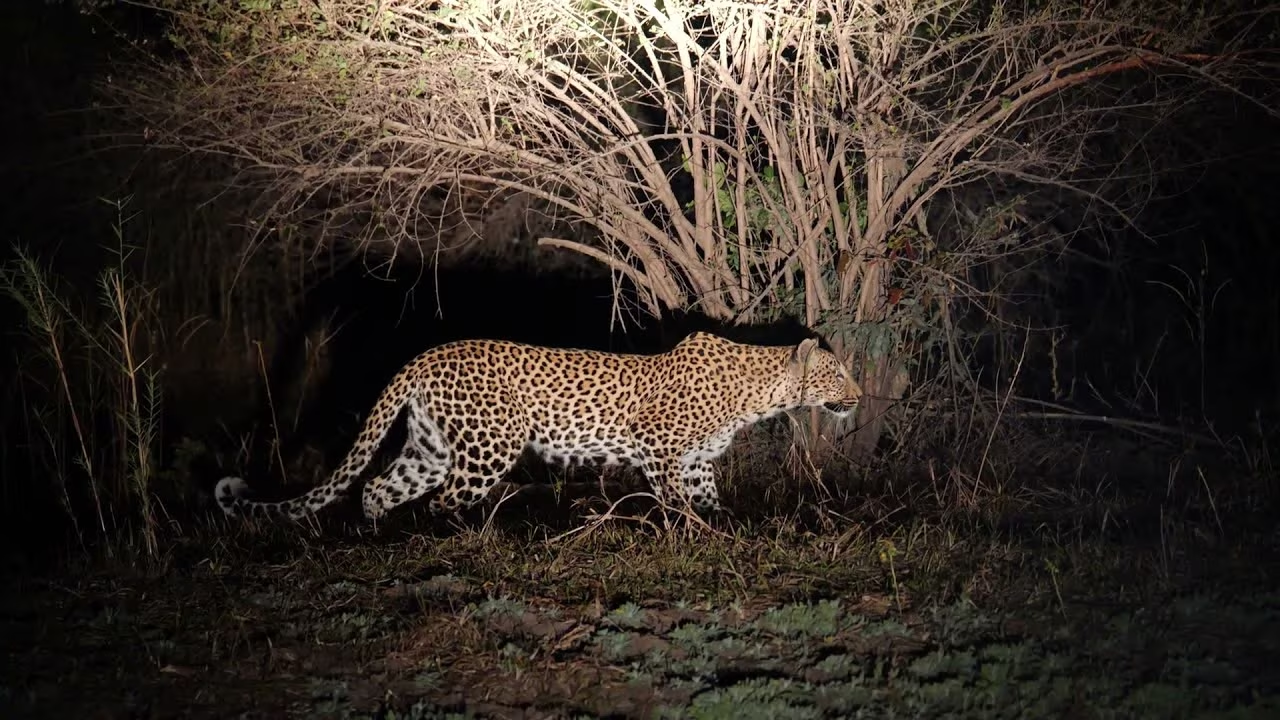
Not permitted in the main park. On bordering private concessions (Grumeti, Singita concession), night drives unlock leopards, porcupines, civet cats, African wild cat.
Private concessionsHalf-day visit to a community-partnered Maasai boma adjacent to the Serengeti. Cattle economics, warrior training, traditional cooking — not staged theatre.
Add-on · $85ppWith our photography-specialist guide (John, 13 years). Composition, light, camera settings for wildlife. Small group, flexible schedule.
On requestVisit a Datoga blacksmith village on the way to Serengeti, or a Hadza hunting camp near Lake Eyasi. Deep immersion in traditional Tanzania.
Half-dayYour quote covers the left column. The right column is where people get surprised by others — so we list it upfront.
Numbers at a glance.
Images from our guests and guides this season. Tap any to enlarge.


Trips that pair well with a Serengeti week, or alternatives if the dates don't align.
Bush airstrips, zero compromise. Fly-in luxury camps in the Serengeti's wildest corners.
Four parks, every major habitat. The definitive introduction to Tanzania.
A collapsed caldera holding 25,000 large mammals in a 260 km² bowl. A living archive of East African wildlife.
Elephants, baobabs, and the Silale Swamps. Tanzania's great under-visited park.