


When to Visit Tanzania
Tanzania is an all-year destination — but different months optimise for different experiences.
The Four Windows
Tanzania's climate has four distinct seasons, each optimising for a different experience.

Peak dry season. Best wildlife concentrations, best infrastructure, best weather. Also the highest prices and the busiest parks. Mara crossings Jul–Oct.
Peak · High prices
Calving season. 500,000 wildebeest calves in Ndutu in 3 weeks. Predator activity extreme. Green landscapes, warm, dry. Our favourite sleeper season.
Peak calving
Long rains. Some roads close, some camps close. Prices drop 30–40%. Birding at its peak (migratory species). Green, photogenic, uncrowded.
Lowest prices
Short rains. Light afternoon showers, not trip-disrupting. Prices moderate. Landscapes greening up. Excellent value, good wildlife — our sleeper season pick.
Great valueMatch Timing to Goal
Six specific experiences, six different optimal windows. Let the goal drive the dates.
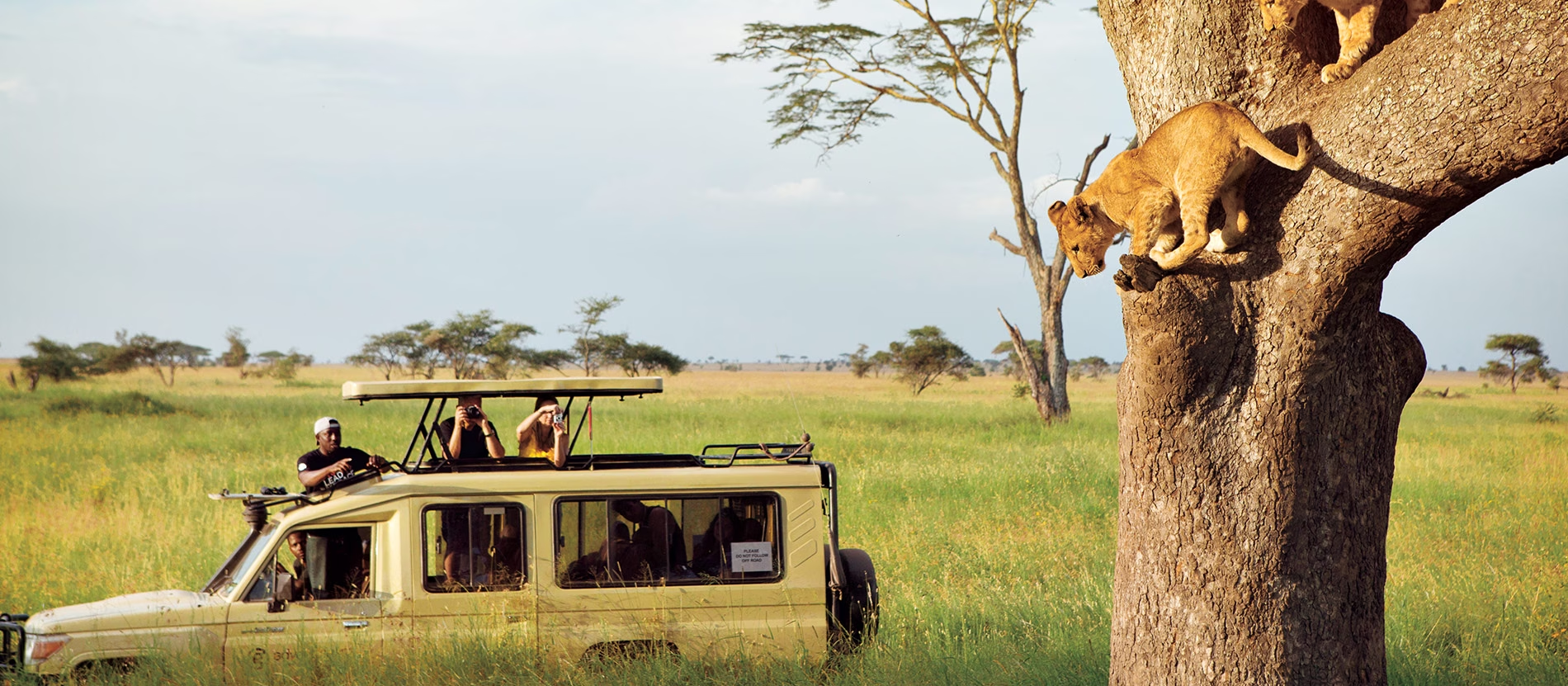
Any month works in Ngorongoro + Serengeti. Dry season (Jun–Oct) gives best visibility. Rhino is the gatekeeper — include Ngorongoro.
Year-roundJuly through October only. The herds are in the north of the Serengeti — book northern camps (Sayari, Lamai, Kichakani) 9–12 months ahead.
Jul–OctLate January through February. Ndutu in the southern Serengeti. Predator density is extraordinary — this is the photographer's season.
Jan–Feb
June–October, and January–February. Avoid the long rains (Mar–May) — trails flood, summit visibility poor. Dry months = higher success.
Jun–Oct, Jan–Feb
June–October (dry, warm) and December–February (warmer, great diving). Avoid April–May — heavy rain, many camps closed.
Jun–Oct, Dec–Feb
October through March. Outside these months they migrate elsewhere. Mafia's whale-shark sightings are among the most reliable on Earth in season.
Oct–Mar