Comeback Tanzania Adventure

Destination · Northern Circuit

Ngorongoro Crater

A collapsed caldera holding 25,000 large mammals in a 260 km² bowl. A living archive of East African wildlife.

260km²
25,000Large Mammals
2,400mRim Height
Black RhinoPresent
Scroll ↓
Ngorongoro · By the Numbers

The Ngorongoro at a Glance

The scale and character of this destination, briefly.

260
km²
25,000
Large Mammals
2,400m
Rim Height
Black Rhino
Present
About Ngorongoro

An Ngorongoro Primer

Everything worth knowing before you visit.

Three million years ago, a volcano taller than Kilimanjaro collapsed in on itself, forming what geologists call the largest intact caldera on Earth.

What happened next is the wildlife story: every major East African mammal species (except giraffe — the walls are too steep for their legs) moved in and never left. Today the Ngorongoro Crater is one of the most reliably spectacular wildlife viewing locations anywhere.

Ngorongoro · Wildlife Guide

What You'll See

The species you can realistically expect in Ngorongoro — with honest context on season and where.
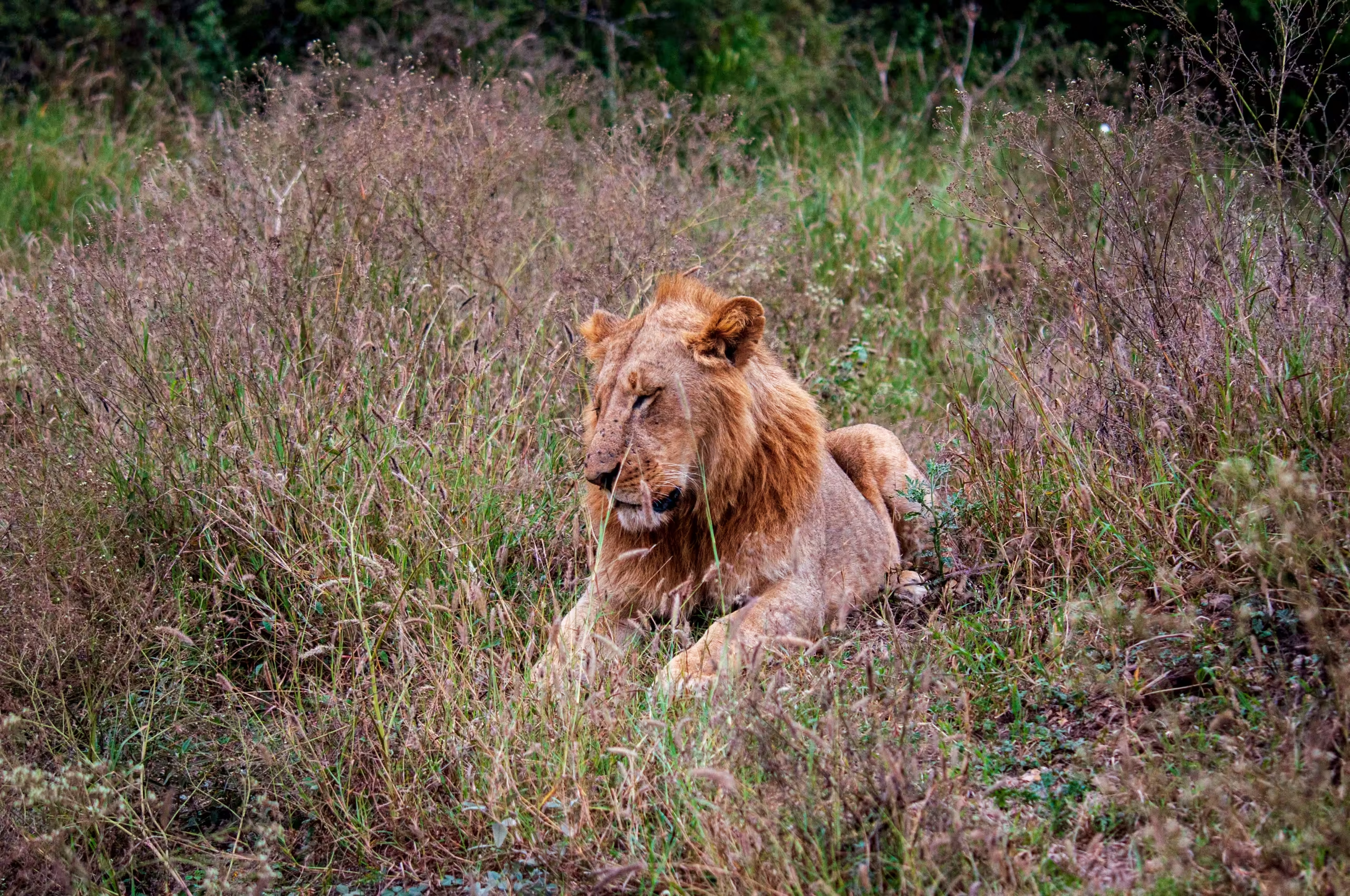
Lion
Panthera leo Year-round
Lion
The Serengeti holds 3,000+ lions — the densest population on Earth. Look for coalitions of 4–6 males in Seronera.
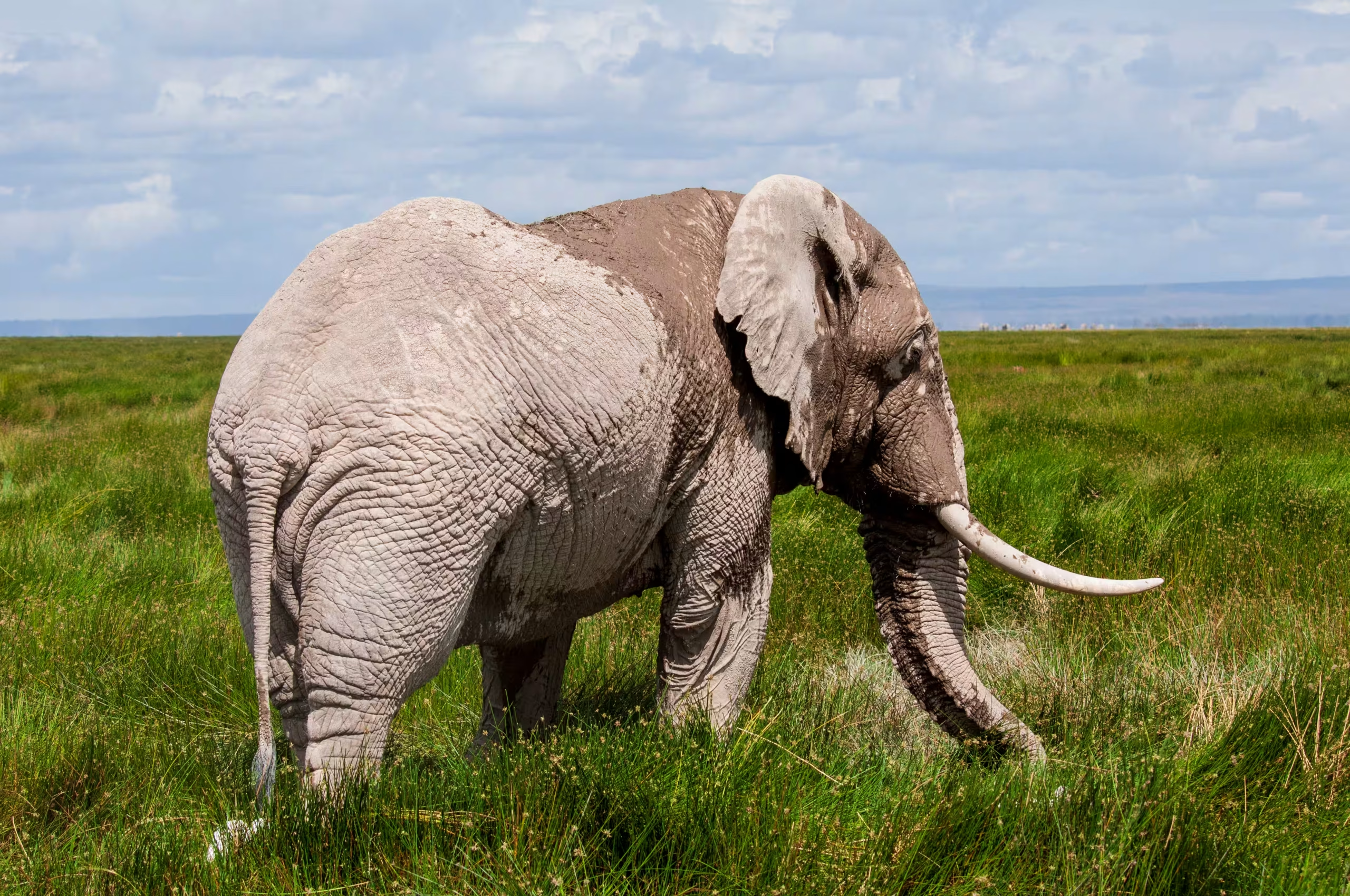
Elephant
Loxodonta africana Year-round
Elephant
African bush elephants, up to 6 tonnes. Matriarch-led family groups of 15–50 individuals.
Cape Buffalo
Syncerus caffer Year-round
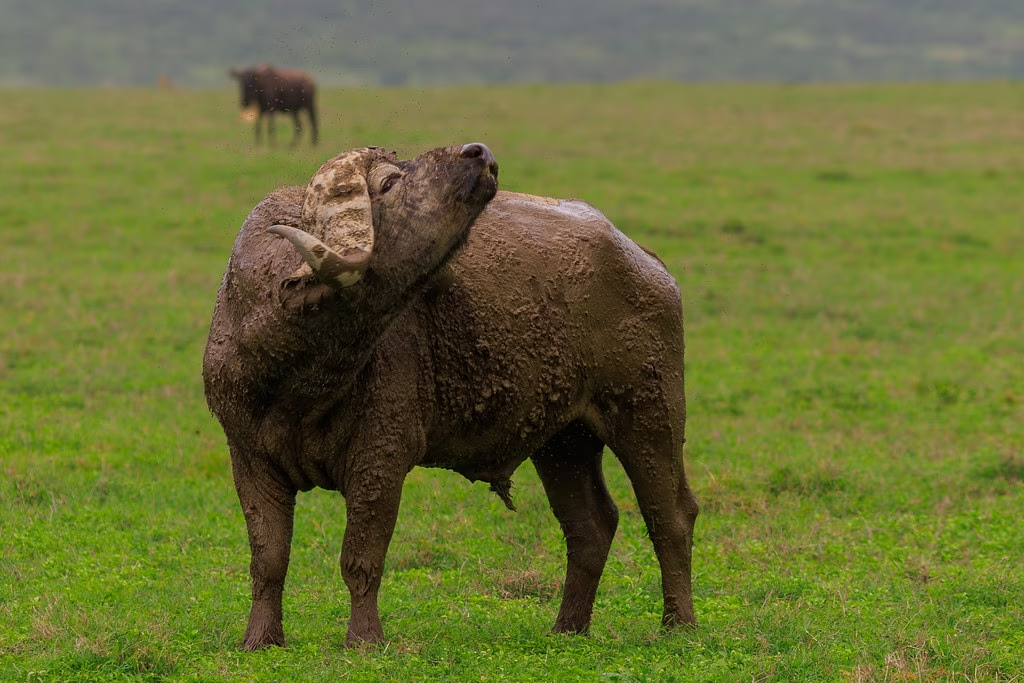
Cape Buffalo
Massive herds of 500+ in the dry season. More fatalities per year than lions — respect the horns.
Black Rhino
Diceros bicornis Year-round
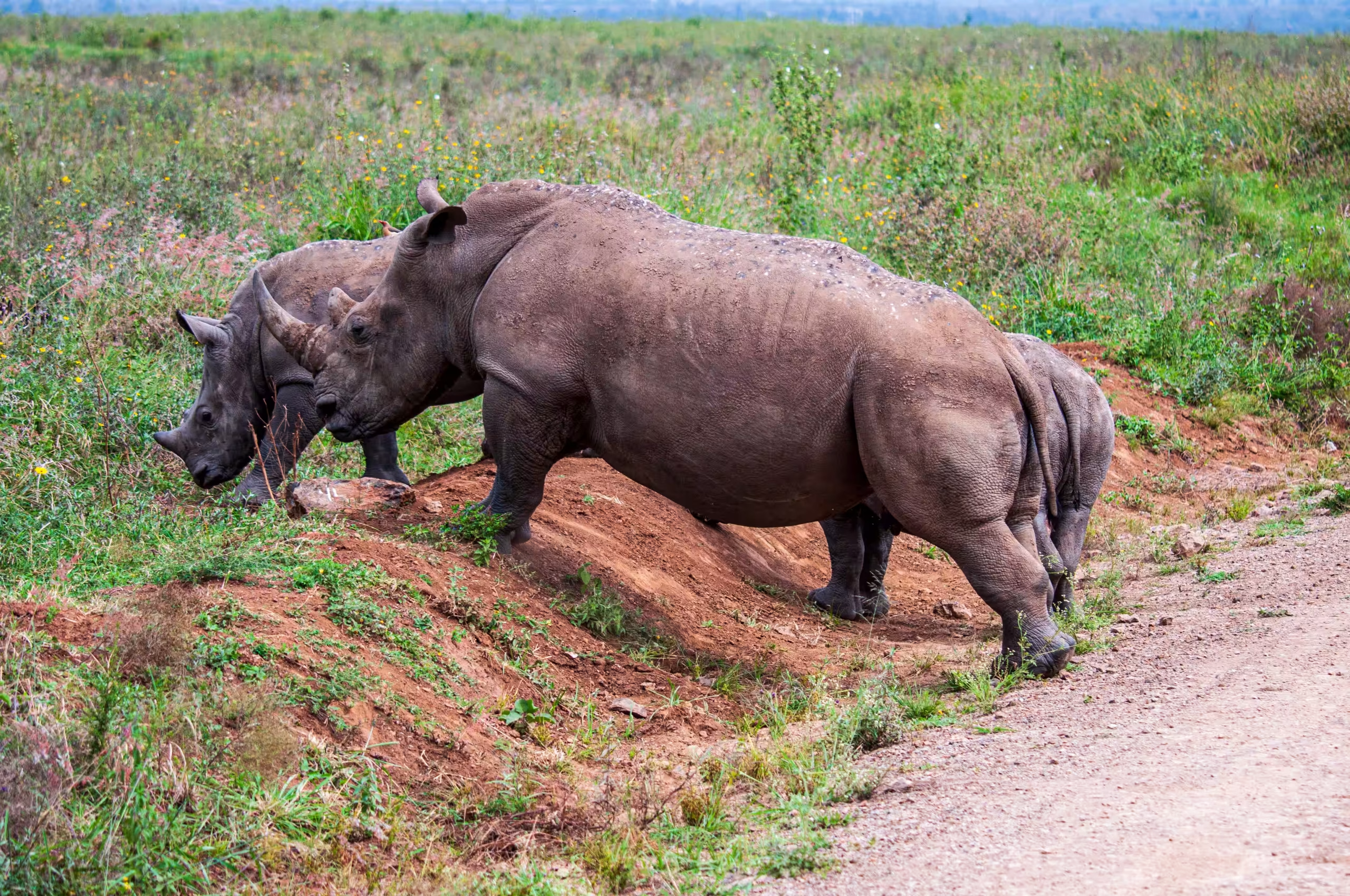
Black Rhino
Critically endangered. A small resident population exists in the Moru Kopjes — sightings not guaranteed.
Wildebeest
Connochaetes taurinus Year-round
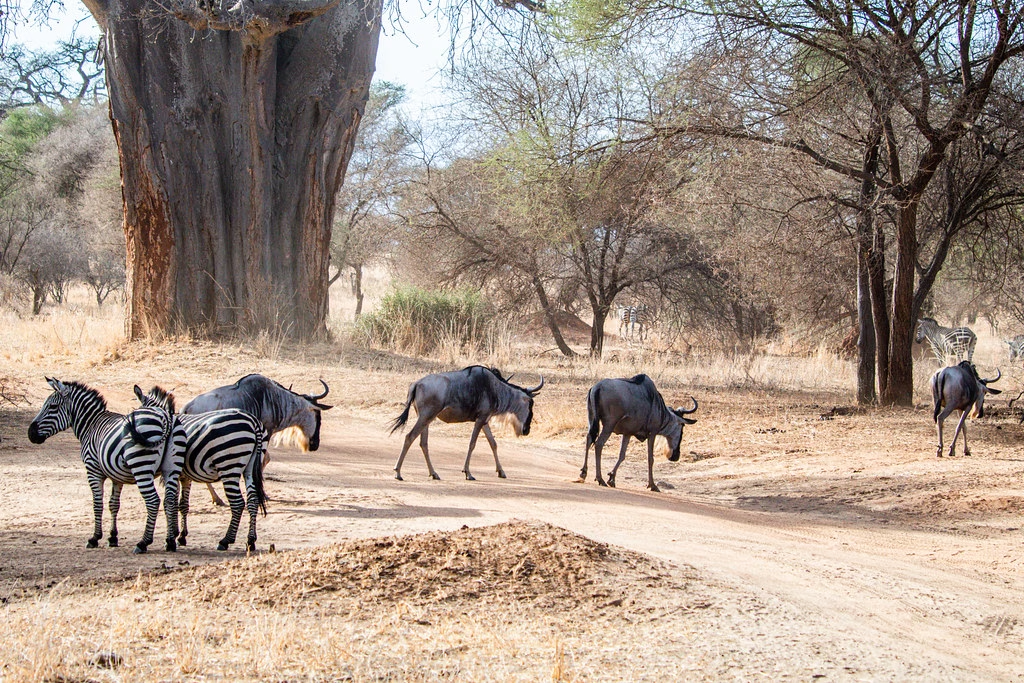
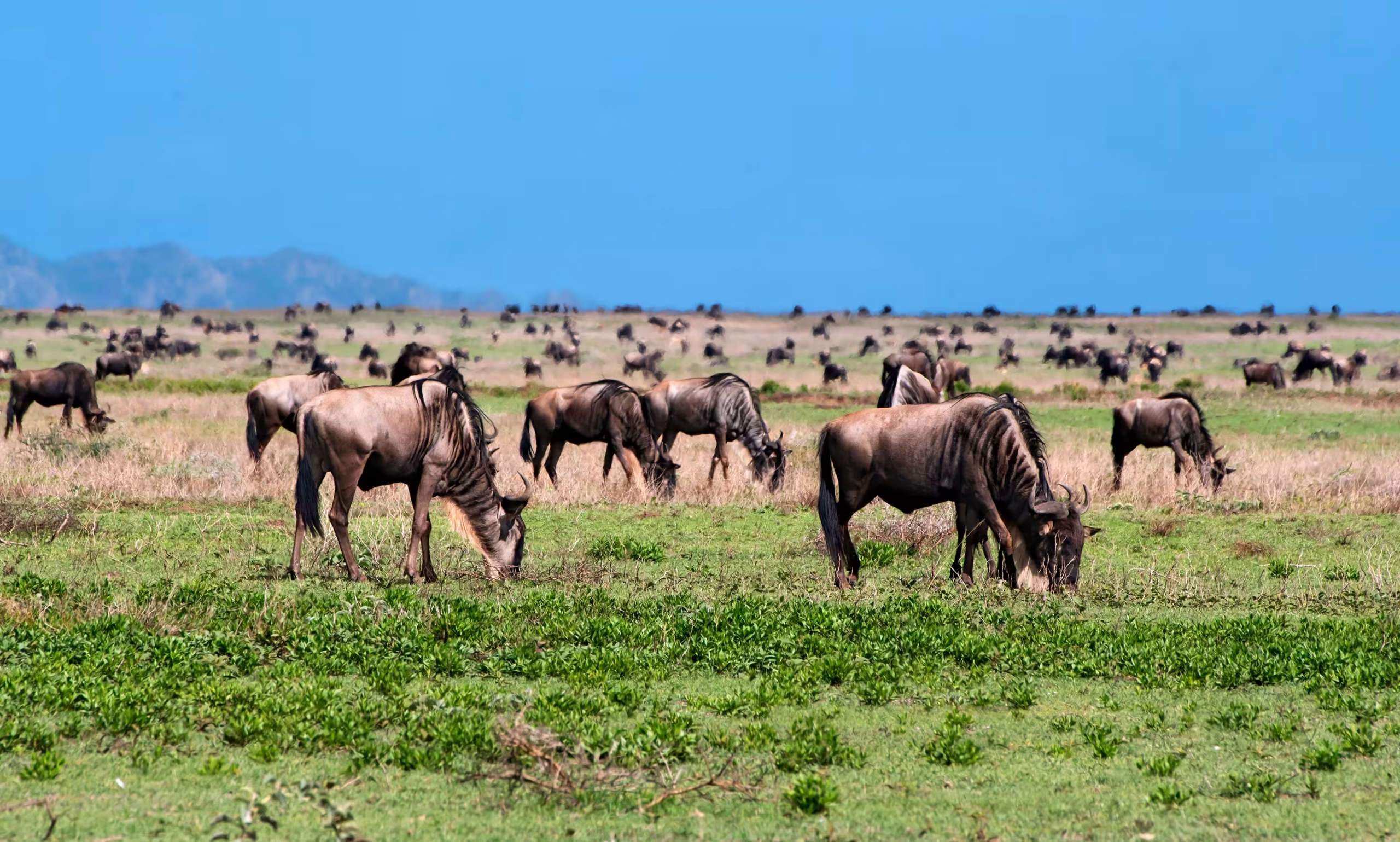
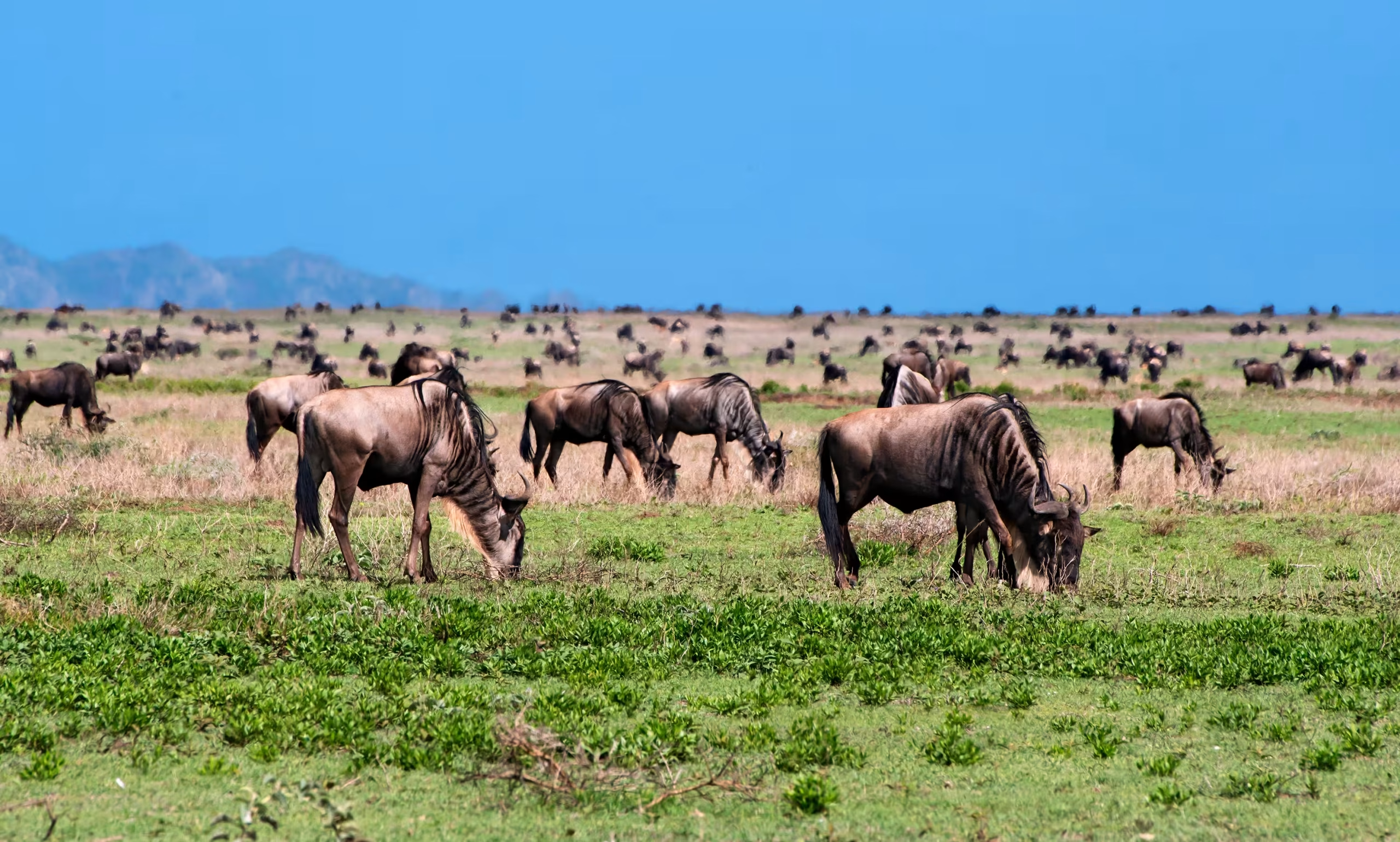
Wildebeest
Two million of them. The central character of the Great Migration. Synchronised calving in Feb.
Zebra
Equus quagga Year-round
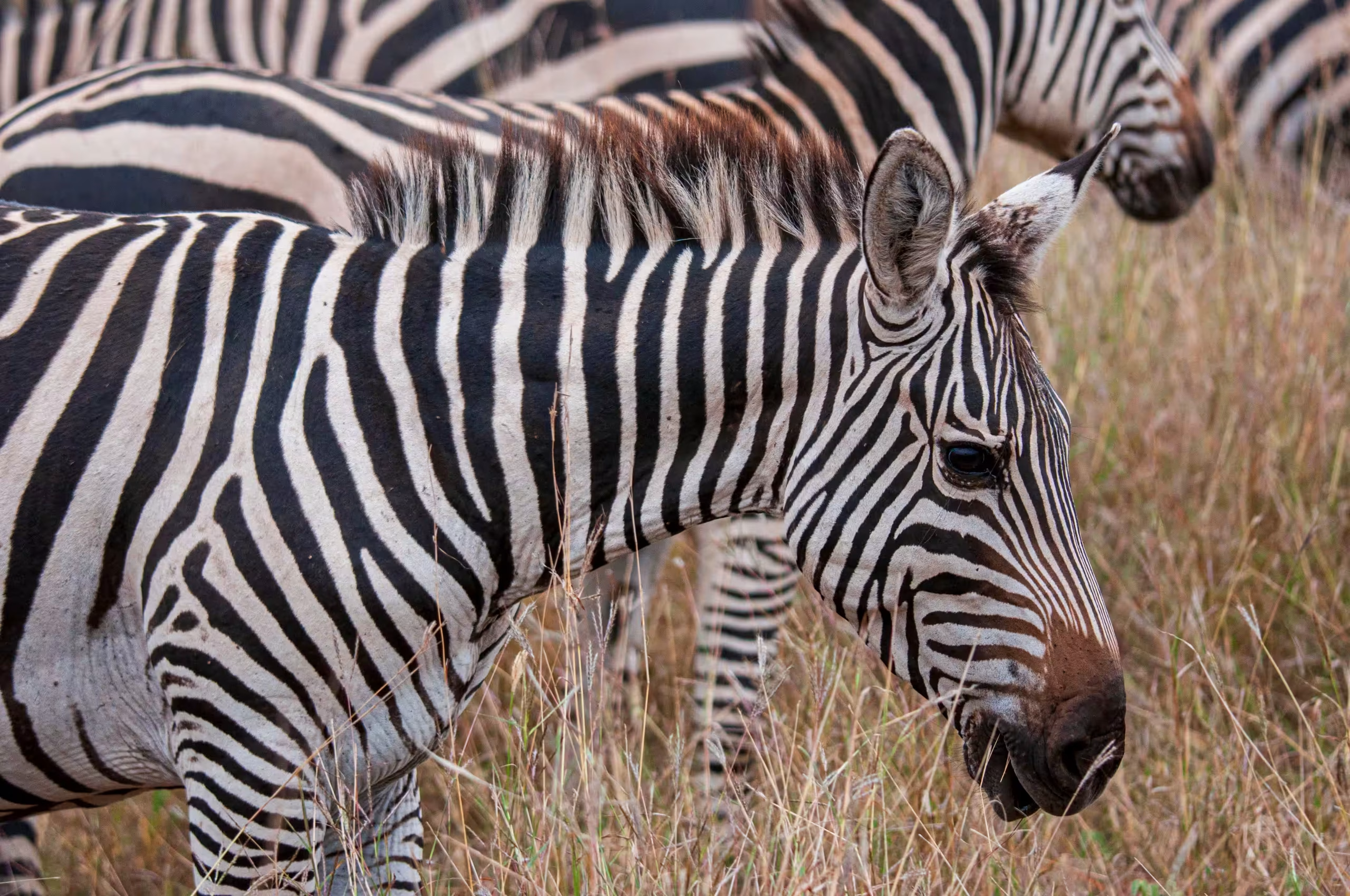
Zebra
250,000 travel with the migration. Stripes — no two zebras have the same pattern, like fingerprints.
Hippo
Hippopotamus amphibius Year-round
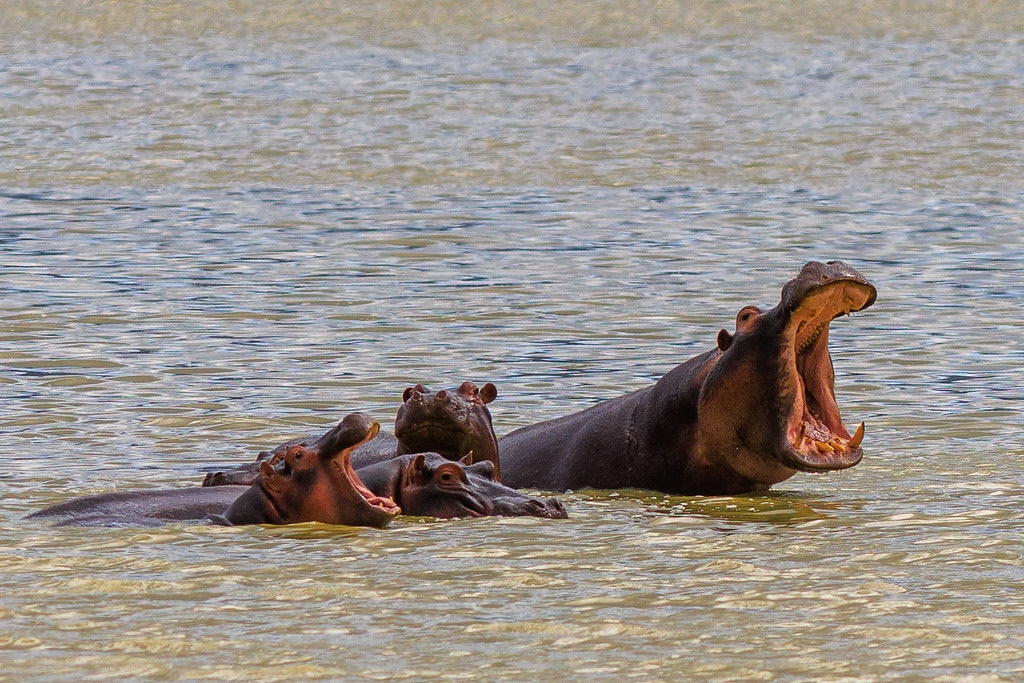
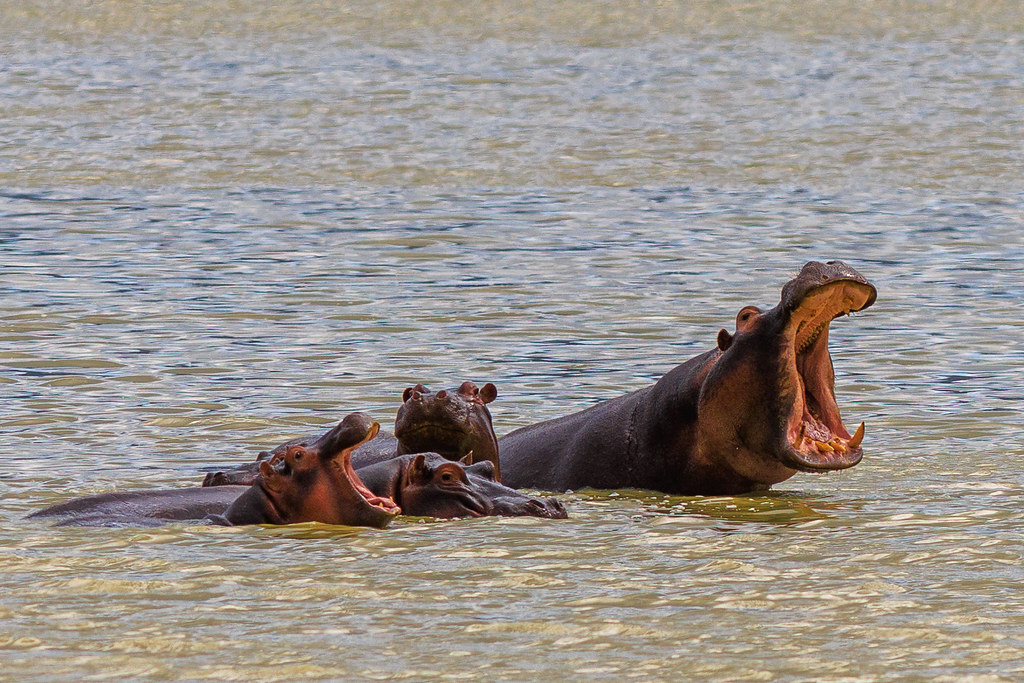
Hippo
Pods of 10–30 in the rivers and swamps. Africa's deadliest large mammal — more human fatalities than lions.
Spotted Hyena
Crocuta crocuta Year-round
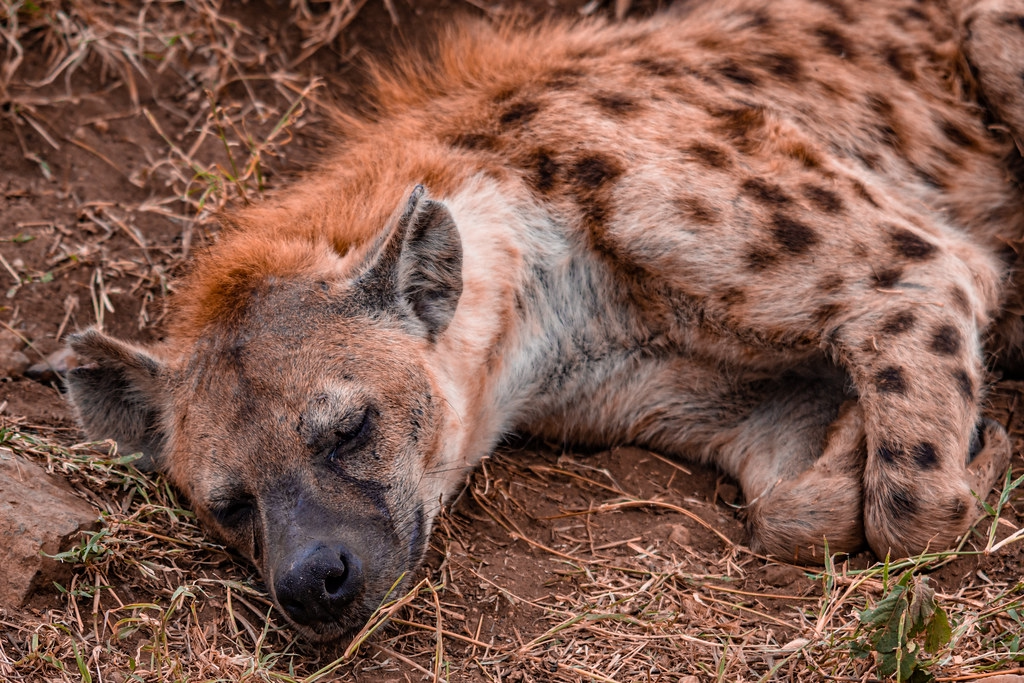
Spotted Hyena
Matriarchal clans of up to 80 individuals. Skilled hunters — they make 60% of their own kills, not scavenge.
Explore the Region

Inside Ngorongoro

The distinct areas and experiences within Ngorongoro.

The descent

You drop 600m down a precipitous road from the Crater rim. The first sight when you hit the floor — golden grass, a shallow soda lake in the distance, and a cluster of elephant grazing — doesn't leave you.

The wildlife

Lion, elephant, buffalo, hippo, all four of the major ungulates, spotted hyena, serval, caracal. But the headline is **black rhino** — the densest population in northern Tanzania, routinely visible. The soda lake sometimes turns pink with flamingos.

The community

The Crater floor is a Conservation Area, not a National Park — meaning Maasai still graze cattle here, legally. You'll often see a herder's silhouette against a lion pride. This coexistence is controversial but real, and Ngorongoro is as much a cultural landscape as a wildlife one.

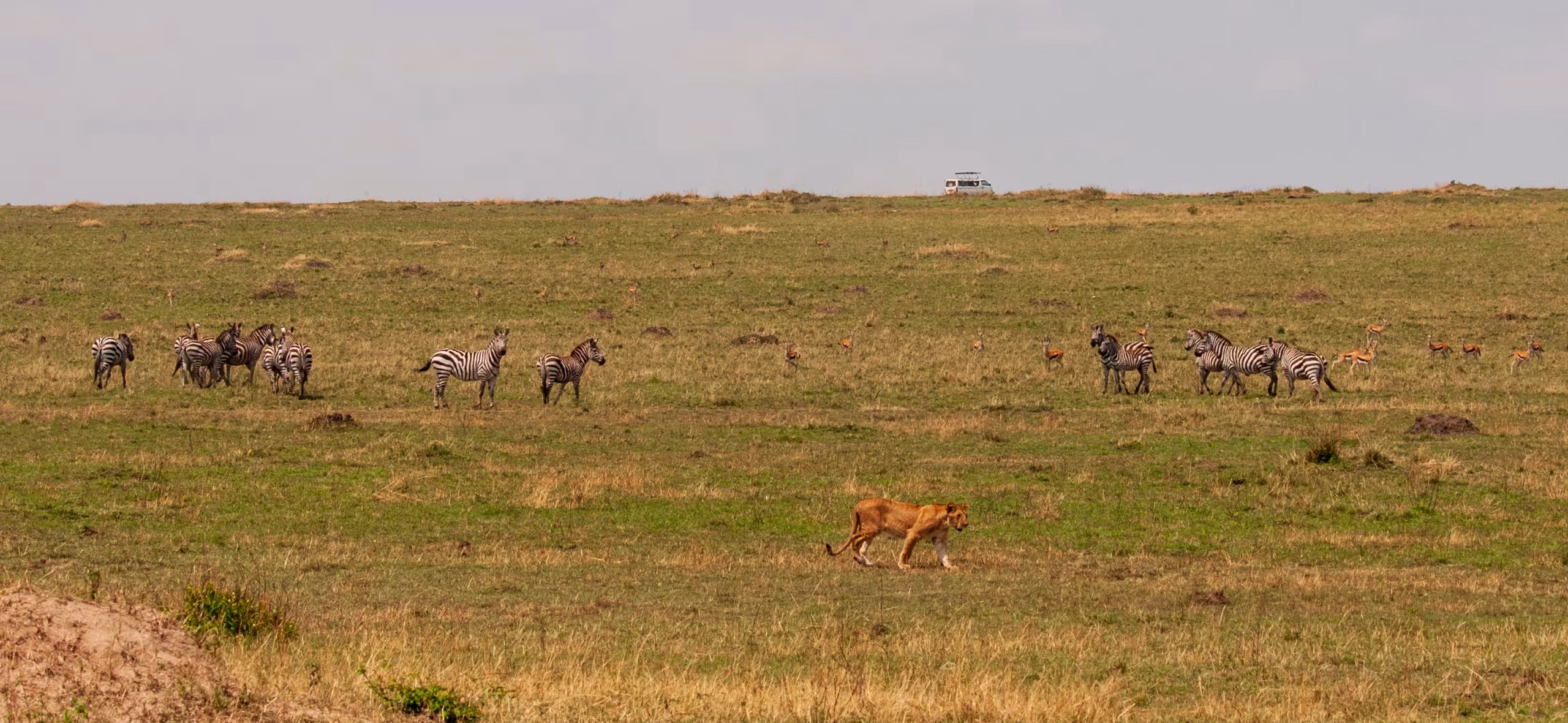
Ngorongoro · In Pictures

From the Field

A visual sample of what Ngorongoro offers.
Activities

What You'll Do

The experiences we build into every Ngorongoro itinerary.

— 01
Crater Descent

Half-day game drive down into the caldera — 600m drop to the floor, full day on the bottom, ascent before 4pm closure.

Included
— 02
Olduvai Gorge

The cradle of humanity. Visit the museum and archaeological site where the Leakeys discovered early hominid fossils.

Half-day · $45pp
— 03
Maasai Cultural Visit

The Conservation Area is a dual-use landscape — Maasai still graze cattle here. Genuine boma visits are possible and ethical.

Half-day · $60pp
— 04
Empakaai Crater Hike

A smaller, flamingo-filled caldera north of Ngorongoro. Full-day hike to the rim, optional descent. Uncrowded.

Full day · $180pp
★ ★ ★ ★ ★

"We'd heard the Ngorongoro hype. We'd also heard it was overcrowded. Reality: nothing on Earth prepared us for the first minute on the crater floor. The rhino sighting on day two made my wife cry."

— Catherine W. · Australia · September 2025
Best Time to Visit

When to Visit Ngorongoro

Year-round. Mornings best — less traffic, more wildlife activity.

JanOff
FebOff
MarGood
AprOff
MayOff
JunOff
JulOff
AugOff
SepOff
OctOff
NovGood
DecGood
Planning Your Visit

Practical Details

The key info for fitting this destination into your trip.

When to VisitYear-round. Mornings best — less traffic
Typical Duration1 full day (half-day descent)
Pairs Well WithSerengeti (always), Tarangire, Lake Many
RegionNorthern
Loading itinerary…
Saved Trips